Market City, 9-13 Hay St, Haymarket NSW 2000, Australia
Open daily 10:00 – 02:00
+61 2 9288 8900
+61 2 9288 8900
[email protected]
Market City, 9-13 Hay St, Haymarket NSW 2000, Australia
Open daily 10:00 – 02:00 · 18+ only

Play smart: six budget habits that work

Strategy Feb 20 5 min read

A great night at the club costs less than dinner for two — if you play it right. These are the habits our regulars actually use to stretch a ball card, structure a session and leave happy regardless of the outcome.

Yuki TanakaHead Host · Feb 20

The maths of a good night

A standard session runs A$25 for the hour including your first ball card. Most guests add one or two reloads — a solid night out lands around A$45-60, less than a round of cocktails in this postcode.

What changes that number isn't luck, it's structure. The players who burn through cards fastest share the same habits: high-volatility machines on small budgets, chasing losses in the last twenty minutes, never banking a win.


Play smart: six budget habits that work

I've never seen anyone regret a pre-set budget. I've seen hundreds regret the reload they didn't plan.

Match spend to the goal of the night

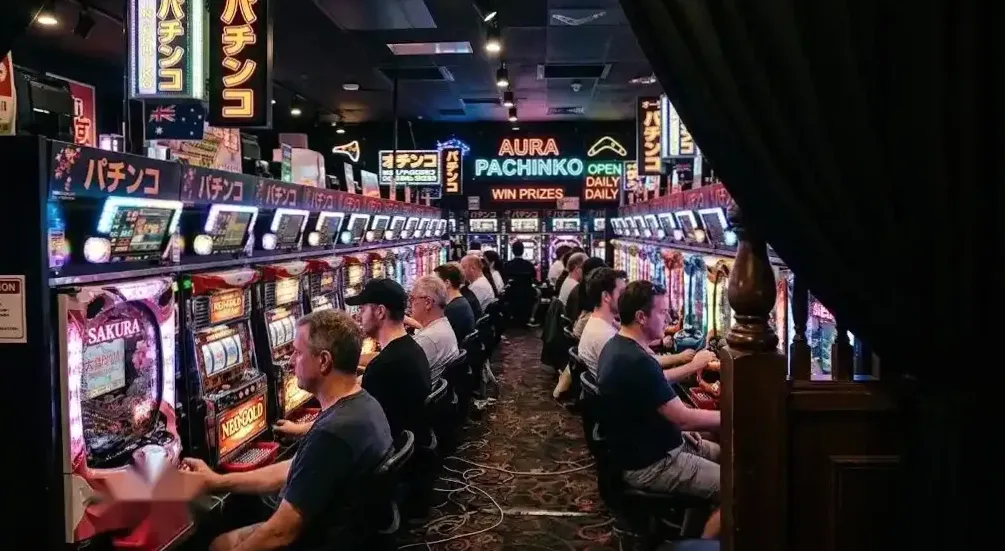
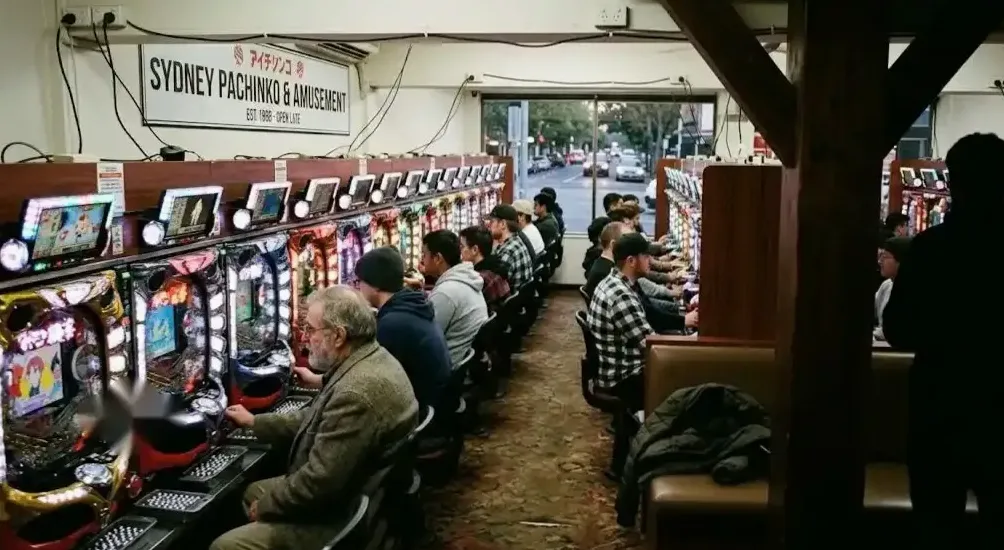
If the goal is a long relaxed session, friendly-row machines stretch every card — frequent small wins recycle balls back into play. If the goal is chasing a big prize, accept that high-volatility units eat cards faster and budget accordingly.

The mismatch is where nights go wrong. A A$20 budget on the lounge floor's high-limit row is a twenty-minute session; the same money on the friendly row is two hours. Neither is wrong — but only one matches the plan.

Happy hour exists for a reason: A$19/hour sessions before 5pm on weekdays. The regulars who play for the longest on the least are almost all daytime players.

The six habits

Straight from the floor — the habits that correlate with happy exits:

  • Buy one card at a time — reloading in small steps keeps the spend visible.
  • Bank wins immediately — convert big trays to points before touching them.
  • Set a time limit, not just a money limit — fatigue spends faster than luck.
  • Take the free break — tea, coffee, a walk around the prize wall resets your head.
  • Never reload to chase — if the budget's gone, the night's done.

Notice the theme: every habit is about making the spend visible. Cards go fast because they're frictionless; the players who thrive add friction back on purpose.

The six habits

The membership maths

If you're coming more than twice a month, the A$39 membership pays for itself in discount alone — twenty percent off sessions adds up faster than people expect.

The ball account helps the budget habit too: winnings convert to credit that never expires, which changes the psychology. A banked win feels like progress, not a card burning in your pocket.

Key takeaways
A solid night runs A$45-60 — less than dinner out.
Match machine volatility to your actual budget.
Bank wins immediately; frictionless reloads are the trap.
Twice a month or more? Membership pays for itself.
Yuki TanakaHead Host

Yuki has run pachinko floors for ten years. She's watched thousands of sessions and can tell within five minutes who's going home happy — it rarely correlates with who wins.

Quick answers

Common questions

The follow-ups we hear most on this topic.

What's the cheapest way to try pachinko?

A weekday happy-hour session: A$19/hour including your first card. Add the masterclass if you're new — the A$45 includes a A$25 session credit anyway.

How fast does a ball card actually go?

Anywhere from twenty minutes to two hours depending on machine volatility and your launch style — that's the point of choosing the right row for your budget.

Is it possible to have a good night and spend nothing extra?

Absolutely — plenty of guests play one card and redeem on the spot. The habit that matters is deciding before you sit down, not mid-cascade.

Done reading

Play smart, play long.

Happy hour runs weekdays before 5pm — the floor's quiet, the machines are yours.